
What Actually Happens During a VIN Verification: A Step-By-Step Breakdown
A VIN verification takes fifteen to twenty minutes, but “quick” doesn’t mean “quick glance.” Here’s exactly what a licensed verifier checks during your appointment.
- Appointment confirmation — Before we arrive, we confirm your vehicle’s basic details and make sure your situation qualifies for a private verification rather than a DMV or CHP appointment.
- Verifier arrival — Your verifier meets you at the agreed time and location — home, office, or wherever the car is parked.
- Title and ID review — We start by reviewing your title (or a copy) and ID, so we know exactly what we’re confirming against.
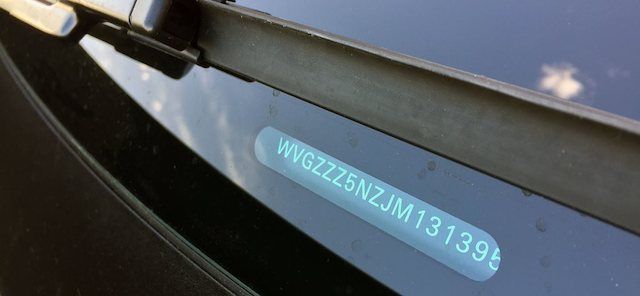
- Primary VIN inspection — We locate and inspect the primary VIN plate, typically mounted on the dashboard and visible through the windshield.
- Secondary VIN check — Most vehicles carry a confirming VIN in a second location — door jamb, engine bay, or frame stamp, depending on the manufacturer. We check this against the primary plate.
- Tamper check — We look for signs the VIN plate has been altered, re-stamped, or replaced — a standard part of any legitimate verification.
- Vehicle detail confirmation — We confirm details like body type, fuel type, and configuration match what’s listed on your paperwork.
- Cross-reference against title — Everything we’ve found gets checked against your title and registration paperwork for a match.
- REG 31 completion — Your verifier fills out the REG 31 form with the inspection findings.
- Verifier certification — The verifier signs and certifies the form.
- Customer review and signature — You review the completed form and sign where required.
- Next steps — We hand you a copy of the completed REG 31 and walk you through submitting it to DMV — by mail, in person, or through a registration service.
Twelve real steps, one appointment, usually done in under twenty minutes.