
Moving to California? Here’s What Your Out-of-State Car Needs.
Welcome to California. Your car has some paperwork to catch up on.
If you just moved here with a car registered in another state, the clock started before you even finished unpacking — and it’s shorter than most people expect.
The 20-day window (and when it actually starts)
California gives new residents 20 days to register an out-of-state vehicle, under Vehicle Code §6700. The part that catches people off guard: that clock doesn’t start on moving day. It starts the moment you become a resident, and residency is about intent, not boxes. Taking a California job, enrolling a kid in a California school, registering to vote here, or claiming a homeowner’s exemption can all start the clock — sometimes before the moving truck even arrives.
There’s a second, shorter deadline running in parallel: 10 days to transfer your driver’s license. Different clock, same urgency.
Where VIN verification fits in
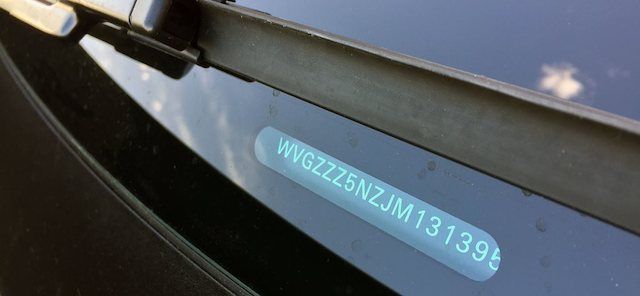
Out-of-state vehicles don’t have a California-verified VIN on file — your car’s identification number has never been matched against California’s records before. That’s what a VIN verification actually does: a licensed verifier confirms the number on your dashboard and door jamb matches your title, and completes a REG 31 form as proof.
It’s not optional paperwork you can skip if you’re in a hurry. It’s one of the required documents DMV needs before they’ll register your car at all.
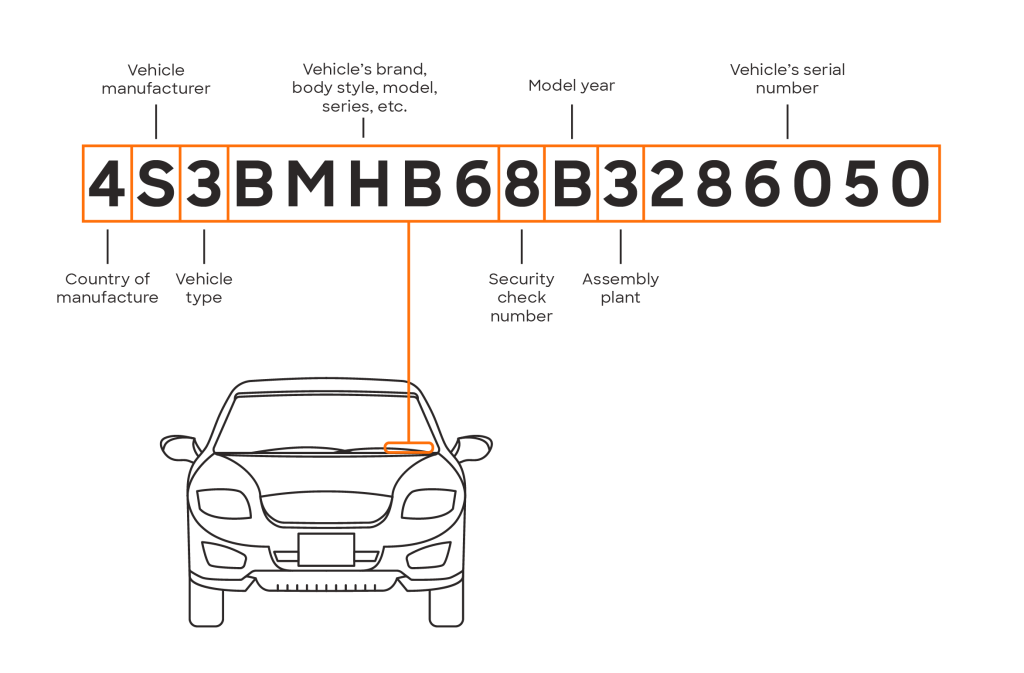
What to bring
- Your out-of-state title
- Current out-of-state registration
- A completed REG 31 (your VIN verification)
- A smog certificate, if your vehicle needs one
- Proof of insurance
- Form REG 343
The easiest way to knock out the VIN piece
You don’t have to drive anywhere to get it done. A licensed mobile verifier can come to you — home, office, wherever your car already is — and have your REG 31 completed in about fifteen minutes. One less trip on a list that already has too many.