What Is a VIN Verification, and Do You Actually Need One?
If you’ve just moved to California, bought a car out of state, or gotten a letter from the DMV mentioning a “REG 31,” you’ve probably run into the term VIN verification without much explanation of what it actually means.
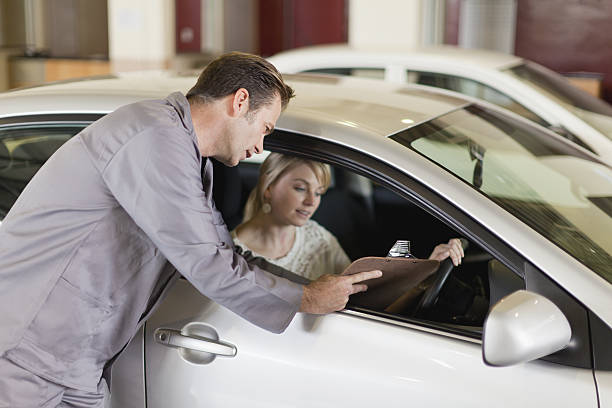
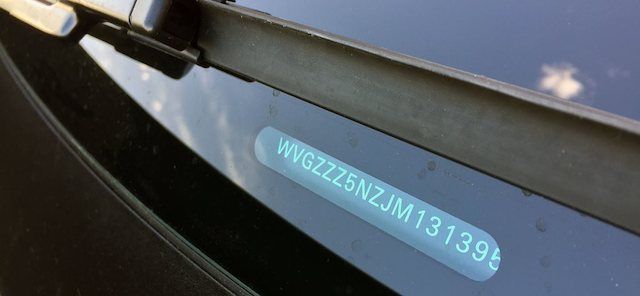
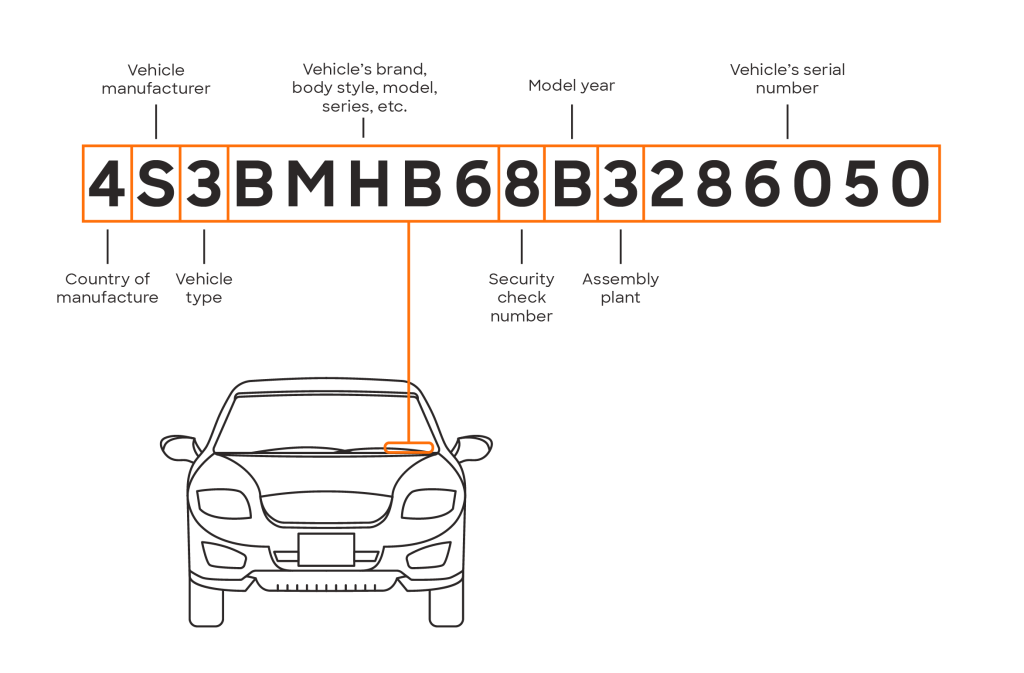
A VIN verification is a physical inspection of your vehicle. A licensed verifier confirms that the vehicle identification number stamped on the car itself matches what’s listed on your title and registration paperwork — nothing more complicated than that. It’s a fraud and theft safeguard: California wants proof that the car in your driveway is actually the car on the paperwork.
You’ll typically need one if:
- You’re registering a vehicle that was previously registered in another state or country
- Your vehicle has dropped out of the DMV’s system (common with cars that sat unregistered for a while)
- There’s a mismatch between the VIN on your title and the VIN on the vehicle itself
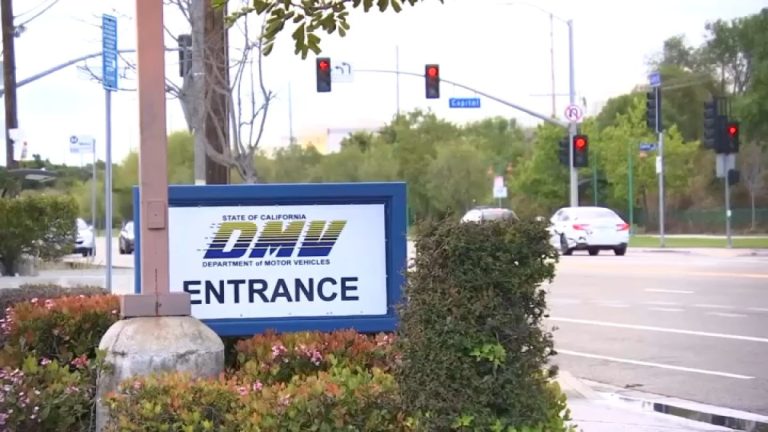
Who can do it? California recognizes a few different types of authorized verifiers — DMV staff, CHP officers, and licensed private verifiers among them. DMV verifications are free but mean an appointment and an office visit; CHP handles specialty cases like salvage titles; private verifiers, like us, are licensed and bonded by the state to do the same inspection wherever your car already is, usually the same week you book.
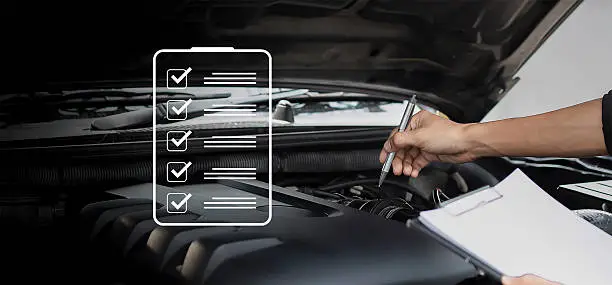
The inspection itself is quick. A verifier checks the VIN, confirms basic details like configuration and fuel type, and fills out the REG 31 form on the spot. Most appointments run 15-20 minutes.
If you’re not sure whether your situation needs a private verifier or should go through DMV or CHP instead, just ask — we’d rather point you the right direction than book an appointment we can’t complete.